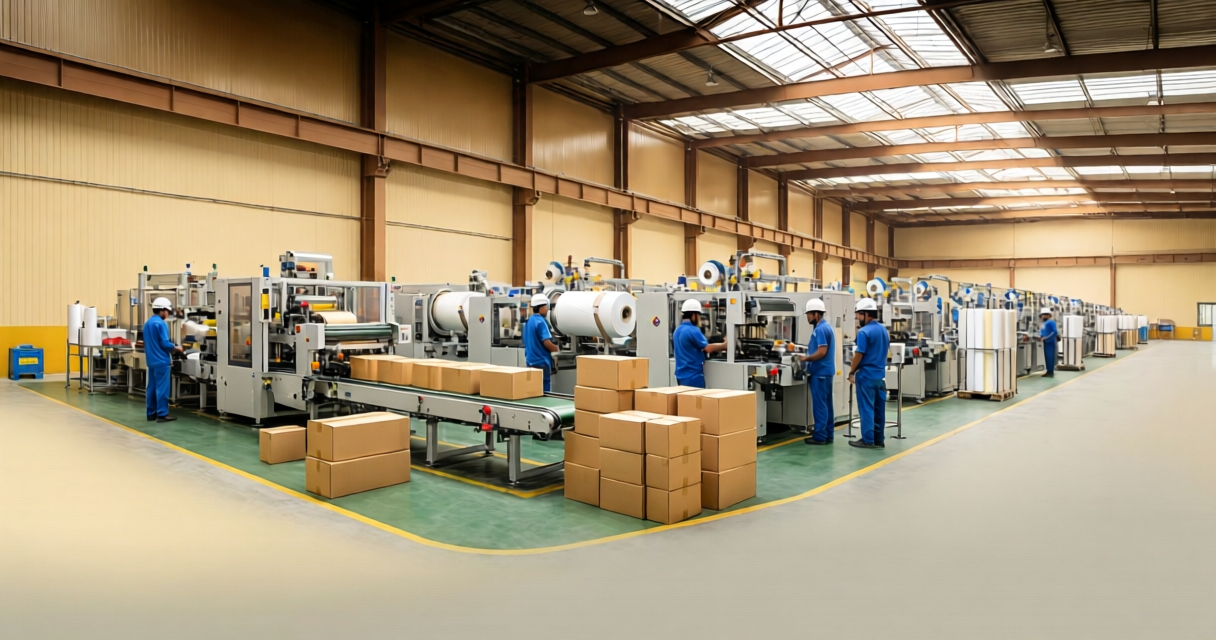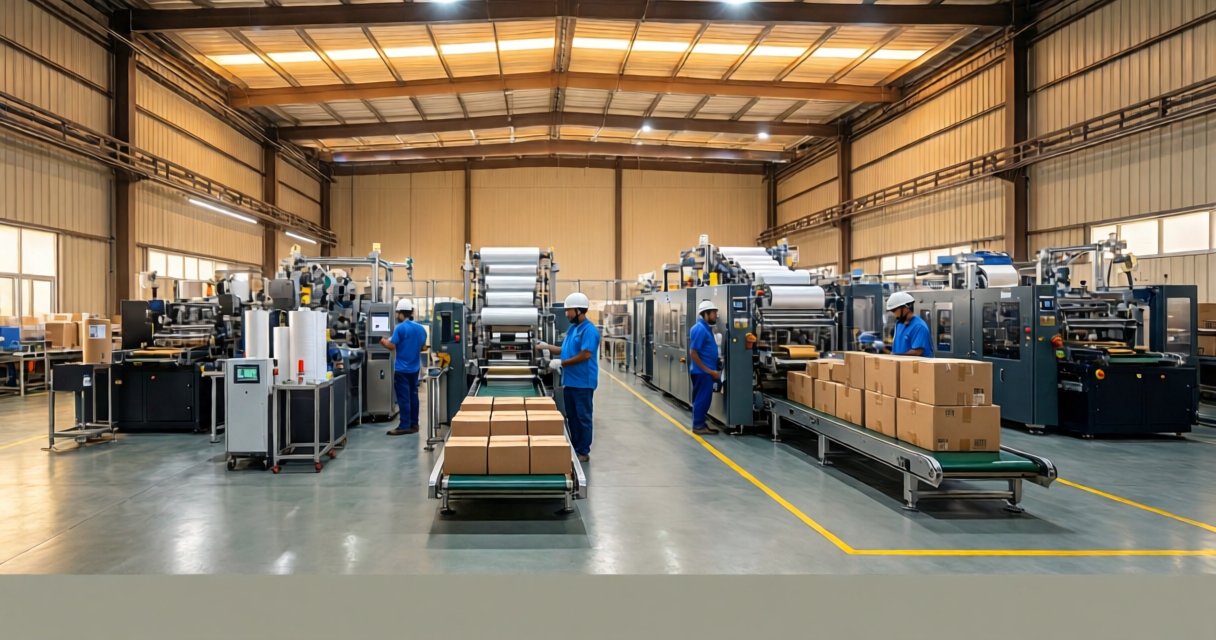
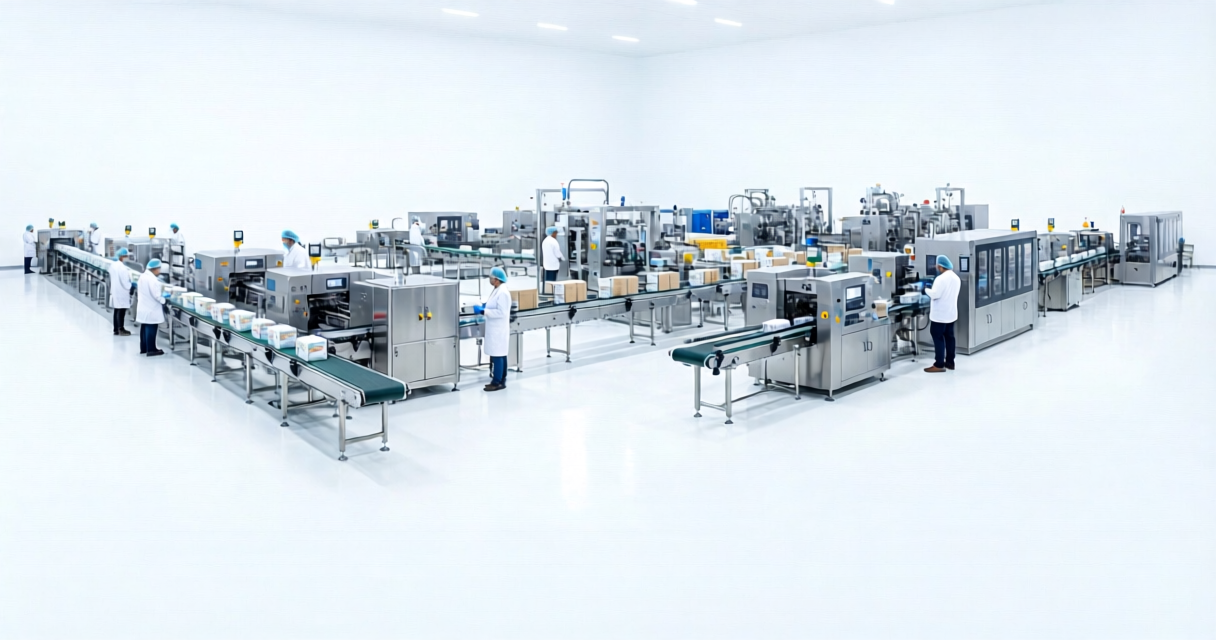
FMCG packaging conveyor repair Haridwar Dehradun Uttarakhand
Factory downtime costs lakhs per hour. Learn how FMCG packaging conveyor repair Hari gets resolved fast. MachineryFix dispatches verified experts in under 4 hours.

MachineryFix Team
Industrial Repair & Maintenance Experts · 3 July 2026
Need this fixed?
Certified technicians, dispatched from our Hyderabad hub.
A catastrophic breakdown on your packaging line isn’t just an inconvenience; it is an immediate, quantifiable financial emergency. In the fast-moving world of FMCG and pharmaceuticals operating in industrial clusters like Haridwar and Dehradun, every single hour of conveyor downtime can cost a facility anywhere from ₹50,000 to over ₹5 lakh. These losses stem directly from lost output, wasted raw material batching, and missed delivery windows—a calculation that demands immediate attention from plant managers and maintenance engineers planning for FMCG packaging conveyor repair Hari. The failure of one belt, motor, or sensor can halt an entire production line; operations require specialized, immediate intervention, not general mechanical service. This analysis provides a comprehensive framework for managing conveyor breakdowns, shifting the focus from costly reactive fixes to predictive reliability.
Understanding the Failure: Beyond the Broken Belt
When a packaging conveyor halts in an MSME facility near the Haridwar industrial corridor, the initial reaction is often panic followed by damage assessment. However, many managers mistakenly treat only the visible symptom—the broken belt—without identifying the systemic root cause. A snapped belt might actually signal tension overload, misaligned rollers, or excessive buildup of particulate matter from product residue. Focusing solely on replacing the belt means paying to fix a temporary failure, not addressing the underlying weakness that allowed it.
For Pharma and FMCG industries, Operational Equipment Efficiency (OEE) is non-negotiable, making conveyor systems the circulatory core of the plant. They must maintain near-perfect uptime. A critical understanding at this stage involves distinguishing between Mean Time To Repair (MTTR)—the speed of recovery—and Mean Time Between Failures (MTBF)—the frequency of breakdowns. While MTTR is vital for immediate operational recovery, improving MTBF demands a deep analysis of machine operation within challenging environments like those found in Uttarakhand’s industrial zones.
Facilities operating near established clusters such as MIDC Pune or Ambattur Chennai face unique challenges: voltage fluctuations and monsoon humidity accelerate wear on motors and bearings, making simple mechanical failures complex electrical issues. A sophisticated diagnosis is required to determine if the failure point is structural (e.g., frame fatigue), operational (e.g., excessive product load), or electronic (e.g., sensor drift).
This comprehensive diagnostic approach ensures that when seeking specialized machine repair India services, facility owners require more than a quick patch job. They need experts who analyze the entire system—from the motor’s electrical signature to the roller bearing's thermal output—and provide actionable data. Ignoring this deep analysis means accepting continued high downtime costs, regardless of how fast the immediate fix is performed.
Immediate Response Steps: Triage and Stabilization in Minutes
The moment a conveyor line goes down, the response must be methodical and highly organized. In the high-stakes environment of an FMCG plant, adrenaline can lead to poor decision-making, such as forcing manual restarts or attempting temporary fixes that mask deeper electrical faults. The goal of immediate action is twofold: ensuring safety and achieving stabilization.
First, safety protocols are paramount. Any power source must be immediately isolated (LOTO procedure). Second, the initial assessment requires concrete data points, not assumptions. Plant managers should guide their maintenance team to record: - Exact location and section number of the breakdown. - Specific observable symptoms (e.g., grinding noise, specific error code displayed on the PLC). - Machine make, model, and serial numbers—this information is invaluable for sourcing OEM-grade parts.
This initial data compilation allows service providers to move beyond "general advice" and prepare for a targeted repair immediately. Instead of wasting valuable minutes discussing general belt issues, they can already be assessing the required specialized component (e.g., specific PLC card replacement or customized gear box bearing).
The modern industrial solution requires integrating technology for speed. Relying solely on local contacts is inherently risky; their Estimated Time of Arrival (ETA) might fluctuate due to traffic or other commitments. A professional on-demand repair platform, however, uses an advanced system like the Intelligent Dispatch Engine. This algorithm instantly matches a precise breakdown location with the nearest certified expert—one whose skills have already been vetted for conveyor systems in that region.
This level of preparation is what guarantees rapid deployment. When a hydraulic or electrical specialist is needed, professional services can ensure support within hours, sometimes under 4 hours, preventing operational standstill. In critical moments like these, the process must be optimized for verifiable speed and guaranteed expertise.
Common Root Causes: Why Conveyors Fail in Himalayan Industrial Clusters
While a visible belt tear is alarming, understanding the underlying *why* dictates true reliability improvement. For factories operating within or adjacent to industrial clusters near Haridwar, Dehradun, and other parts of Uttarakhand, several environmental and operational factors conspire to accelerate wear on conveyor systems. These root causes involve complex interactions between mechanical stress, electrical volatility, and climate.
1. Dust Ingress and Particulate Buildup: FMCG operations generate significant dust (sugar powder, cocoa residue, etc.). In humid climates, this dust mixes with ambient moisture, creating abrasive slurry that clogs bearings, seals, and motor ventilation systems. This is not merely cosmetic dirt; it is a highly corrosive element that increases friction and generates excessive heat, leading to premature bearing failure. 2. Voltage Fluctuation and Electrical Surges: India’s grid infrastructure means voltage stability remains a challenge. Conveyor motors are sensitive loads. Sudden dips or surges can stress motor windings, damage Variable Frequency Drives (VFDs), or trip PLCs prematurely—often making the fault appear electrical when it was actually a precursor to mechanical failure due to insufficient power during peak load. 3. Alignment and Tension Stress: Improper setup of rollers or belts leads to uneven wear patterns. If one roller is slightly misaligned, the belt will ride incorrectly, creating concentrated stress points that eventually lead to catastrophic fatigue failures in the material itself.
To combat these varied causes, maintenance teams must adopt structured diagnostic methods. This necessity makes Digital Service Catalogues invaluable. Every time a repair or preventative check occurs—whether bearing replacement due to contamination or VFD recalibration after a surge—the details are logged into this catalogue. These records create a perfect, auditable history, crucial not only for improving MTBF but also for satisfying rigorous compliance and ISO audits required by Pharma clients in the region.
Preventive Actions: Shifting from Reactive Crisis to Predictive Mastery
The most costly repair job is always the one that occurs because early warning signs were ignored. A truly reliable plant operates on a predictive model, where maintenance actions are scheduled based on actual usage data and degradation rates, rather than waiting for failure. This transition requires significant operational commitment but generates exponential returns in saved revenue.
Preventive Maintenance (PM) must be multi-layered: 1. Routine Condition Monitoring: Implementing regular checks for vibration analysis (on motor mounts and gearboxes), oil particle counting (for gearbox health), and thermal imaging (to detect overheating electrical connections or bearings). These techniques catch failures *months* before they manifest as visible crises. 2. Predictive Maintenance AMC: Structured Annual Maintenance Contracts are the foundation of this shift. A robust PMC does not merely promise to fix things; it mandates a schedule of checks, replacements, and performance validation. This systematic approach ensures that high-wear components (like specialized conveyor rollers or belts) are replaced at optimal intervals, maximizing service life while minimizing failure risk. 3. Operator Training: The most advanced machinery fails if the human element is unaware of minor anomalies. Operators must receive training to report subtle issues—a slightly louder motor hum, a different resistance feel—that an engineer might overlook during routine inspection.
To manage this complexity and ensure quality control, relying on a professional service network with Vetted Technician Network expertise is key. These experts undergo rigorous skill evaluations alongside Aadhaar checks, ensuring accountability and professionalism when they arrive at the factory gate. This level of vetting provides the necessary assurance to commit to long-term PMC contracts.
How MachineryFix Helps: The Structured Path to Reliability
Managing complex industrial machinery in an MSME setting—especially one dealing with high-value goods like pharmaceuticals or packaged FMCG products—is a massive logistical and technical undertaking. Local repair shops are often adequate for simple, immediate fixes, but they lack the structured process, transparency, and guaranteed expertise required for mission-critical conveyor systems.
MachineryFix addresses these systemic pain points by creating a fully digitized, end-to-end service ecosystem. Its model is designed to restore productivity not just quickly, but reliably.
1. Guaranteed Expertise and Speed: When facing an emergency in the industrial zones of Haridwar or anywhere else in India, time translates directly into capital loss. MachineryFix’s core commitment is minimizing downtime by dispatching verified experts under 4 hours, 24/7. The Intelligent Dispatch Engine eliminates guesswork; it instantly routes the service need to the nearest certified specialist for conveyor systems, motors, or hydraulics. 2. Transparency and Cost Control: Unlike traditional repair models where estimates are vague and costs balloon, MachineryFix enforces transparency. Clients can compare multiple expert proposals through competitive bidding before committing to a job. This feature alone has saved businesses significant operational expenditure across various clusters. 3. Digital Compliance Trail: The platform provides the Digital Service Catalogue. Every part replaced, every diagnostic test run, and every repair step is recorded digitally. For Plant Managers needing to pass ISO audits or internal compliance checks, this immutable record-keeping system is invaluable—it elevates maintenance from a cost center activity to an auditable, professional function.
This structured approach has transformed operations across India. A plant manager at Kattedan Industrial Area reported that their average downtime was reduced from days to under 4 hours after adopting MachineryFix’s rapid dispatch service. Similarly, another client in the Jeedimetla Cluster noted that the transparency provided by competitive bidding saved them a substantial amount on parts and labor during a recent complex repair job. The platform's commitment to quality is reflected in its 4.8/5 average rating, built on verified two-way feedback from both factory managers and technicians.
Why MachineryFix Is India's Fastest Repair Network
The industrial landscape of India—from the bustling MIDC Pune to the specialized Pharma clusters near Dehradun—demands more than mere repair; it requires guaranteed uptime assurance. The challenges are complex: voltage instability, diverse machinery types (CNC machines, Lathes, Conveyors), and vast geographical spread necessitate a solution that is both hyper-local and pan-India in scope.
MachineryFix Technologies Pvt Ltd has digitized this entire process chain. It does not simply dispatch mechanics; it dispatches certified technical teams equipped with advanced diagnostic tools and access to verifiable parts inventories. The modular system ensures that whether the need is for an immediate fix (via 24/7 support) or a long-term strategy (through Predictive Maintenance AMC), the solution remains structured, transparent, and actionable. Combining the highly efficient Intelligent Dispatch Engine, rigorous vetting via the Vetted Technician Network, and the financial protection offered by competitive bidding makes it unmatched in the Indian market for industrial breakdowns. The platform empowers MSME factories to achieve maximum Operational Efficiency (OEE) by minimizing the single greatest threat: unplanned downtime.
Stop budgeting for emergency repairs; start investing in predictable uptime. For immediate technical support or to book a verified expert for your conveyor systems, do not wait until failure strikes. Take command of your plant's reliability today. To schedule an assessment, compare bids, or receive instant 24/7 support, visit machineryfix.com or call us immediately on WhatsApp at +91 63030 48885.
Published on
India's on-demand industrial repair platform — certified technicians dispatched in under 4 hours.
Frequently Asked Questions
How quickly can I get a technician for FMCG packaging conveyor repair Hari in India?
MachineryFix's Intelligent Dispatch Engine matches your breakdown with the nearest verified technician in minutes. Average on-site response time is under 4 hours across Pan-India. Book at machineryfix.com or WhatsApp +91 63030 48885.
Are MachineryFix technicians verified and background-checked?
Yes. Every technician on MachineryFix passes Aadhaar-based identity verification plus rigorous skill evaluation before being onboarded. This is why MachineryFix maintains a 4.8/5 average rating from factory clients across India.
What is a Predictive Maintenance AMC and how does it work?
A Predictive Maintenance AMC (Annual Maintenance Contract) from MachineryFix covers scheduled inspections, condition monitoring, and priority emergency response. It reduces unplanned breakdowns by 40-60% and is ideal for factories running critical CNC, hydraulic, or textile machines.
How much does industrial machine repair cost in India?
Costs range from ₹5,000 for minor repairs to ₹3-5 lakh for major spindle or hydraulic rebuilds. MachineryFix uses competitive bidding — you receive upfront proposals from multiple local experts before committing, so you always get a fair price.
What documentation does MachineryFix provide after a repair?
MachineryFix generates a Digital Service Catalogue entry for every job — logging the fault, diagnosis, parts replaced, technician ID, and timestamps. This digital job card is accepted for ISO 9001 and GMP compliance audits.
Can I rehire the same technician for future jobs or an AMC?
Yes. MachineryFix's re-hiring feature lets you save a preferred technician directly to your account. You can rebook them for follow-up work, recurring maintenance, or a full AMC contract — keeping your factory history consistent.
Need a certified technician?
Get one dispatched in under 4 hours.