Repair Warranty Valid Nationally or Only Local Branch India Service
Factory downtime costs lakhs per hour. Learn how repair warranty valid nationally or gets resolved fast. MachineryFix dispatches verified experts in under 4 hours.

MachineryFix Team
Industrial Repair & Maintenance Experts · 3 July 2026
Need this fixed?
Certified technicians, dispatched from our Hyderabad hub.
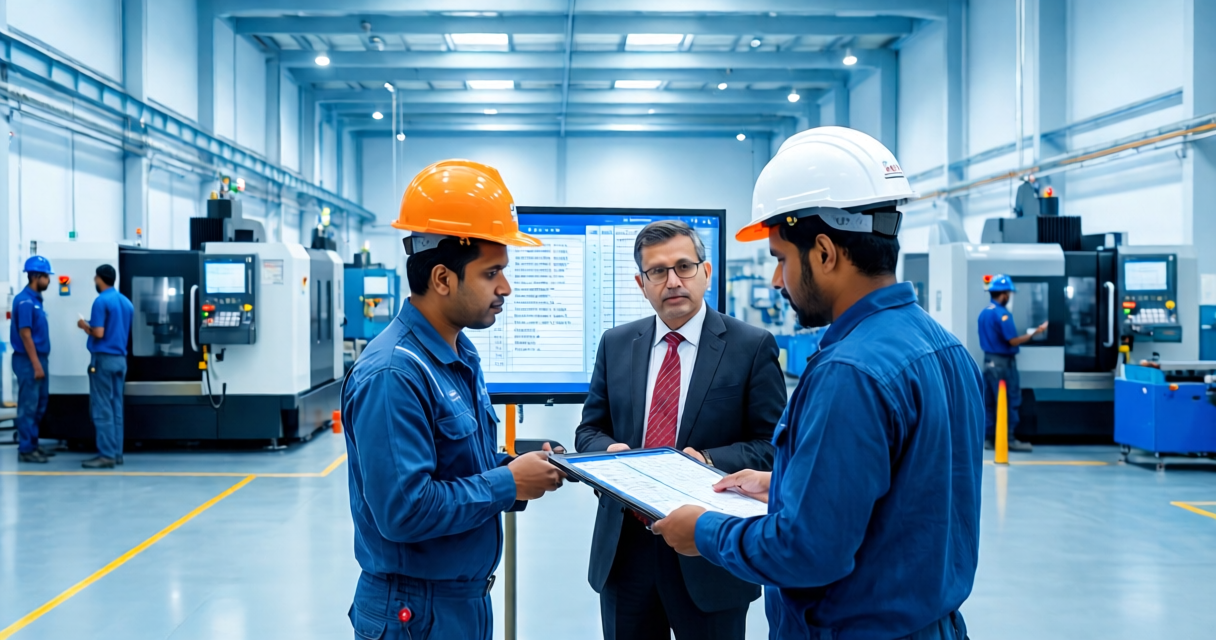
A single hour of unexpected downtime in an MSME factory across industrial clusters like Ambattur or Kattedan can cost a plant manager between ₹50,000 and ₹5 lakh in lost production. This staggering financial reality forces Indian manufacturers to confront a critical question: Is my machine repair warranty valid nationally or only at the local branch? The answer often involves navigating complex regional service networks that fail precisely when operational continuity is most vital. For modern industrial operations, reliability transcends luxury; it defines core profitability. When CNC machines stall, hydraulic presses seize, or conveyor systems grind to a halt, the urgency demands immediate, verifiable expertise—expertise that must operate 24/7 and transcend geographical limitations.
Understanding the Failure: Beyond the Symptom Checklist
Mechanical failure analysis requires looking past visible symptoms. Factory staff are often trained only to address what is immediately apparent—the loud grinding noise, the flashing error code (E-404), or a sudden loss of hydraulic pressure. Treating merely the symptom is insufficient; it delays inevitable structural breakdown. A true understanding of equipment malfunction demands forensic root cause analysis: mechanical fatigue, electrical surge damage from voltage fluctuations, operational misuse, or component wear exceeding its designed lifespan.
India’s dynamic industrial landscape constantly stresses machinery with factors rarely accounted for in basic manuals—dust ingress from construction sites, extreme variations in monsoon humidity affecting electronics, and the cumulative stress of high-volume production targets that push equipment beyond standard operating parameters. For instance, a lathe machine failure might initially point to bearing wear, but deeper inspection often reveals micro-pitting caused by metallic dust contaminating cutting fluids—a classic example of an overlooked contamination source.
Determining true root causes necessitates specialized, on-demand repair services. Experts must diagnose *why* equipment failed, not just replace the broken part. This comprehensive assessment requires access to detailed service records and industry best practices. Instead of relying on guesswork or contacting expensive OEM representatives whose service radius may be limited to a single industrial zone, modern facilities need platforms that bring certified expertise directly to the point of failure.
This diagnostic rigor separates professional maintenance from reactive firefighting. By understanding whether a component failed due to material stress (a design flaw), operational overload (a process flaw), or external factors (environmental flaws), plant engineers can move beyond temporary fixes and implement lasting, preventive actions. This foundational knowledge saves capital expenditure in the long run—an expense far greater than hiring an expert who provides definitive answers. The entire diagnostic loop, from initial reporting to final root cause analysis, must operate with maximum efficiency, ideally completing within hours of noticing the failure.
Immediate Response Steps: Stabilizing the Crisis
Seconds matter when a breakdown alarm sounds in a high-stakes MSME environment. Panic leads to incorrect actions, potentially transforming a repair job into an expensive salvage operation. The immediate response protocol must be structured and disciplined. The primary goal instantly shifts from production maximization to minimizing downtime.
The initial steps taken by the maintenance team are critical: - Safety First: Isolate power sources (electrical lockout/tagout) and secure moving parts immediately. No troubleshooting proceeds until the area is safe for personnel. - Documentation: Do not tamper with anything critical. Photograph the error code, the physical damage, and note the precise sequence of events leading up to the failure. This data forms the backbone of the eventual repair report. - Initial Assessment: Conduct a high-level triage. Is this an electrical fault (tripped breaker, burnt fuse)? A mechanical jam (physical obstruction)? Or is it hydraulic loss? Classifying the failure type instantly narrows down required expertise.
However, even the most competent internal team struggles with sourcing reliable external help. Traditional methods require calling multiple service providers, receiving highly variable quotes, and waiting hours for an ETA that changes based on their current workload or traffic in congested industrial areas like Uppal or Ambattur. This uncertainty is unacceptable when every minute translates to significant financial loss.
The ideal solution involves a highly organized, digitized dispatch system. Instead of spending time calling around, professionals can use MachineryFix's Intelligent Dispatch Engine. This algorithm instantly matches the specific breakdown—be it on an industrial conveyor system in Coimbatore or a packaging machine in Ludhiana—with the nearest certified expert who possesses verified skills for that precise machinery make and model. Furthermore, the ability to compare bids and ETAs before accepting any service drastically reduces risk and saves capital.
This streamlined process ensures that within minutes of reporting the issue, a qualified technician is dispatched with transparency and reliability. The entire system guarantees support 24/7, built around rapid response capability. When time equates directly to money, speed combined with verified competence provides the ultimate operational advantage.
Common Root Causes: Why Machines Fail in India's Climate
Understanding *why* machines fail holds more value than knowing *how* to fix them. For Indian factories, failure modes are rarely textbook; they are heavily influenced by local environmental and operational stresses. Addressing these common root causes requires a strategic shift from reactive repair budgeting to proactive risk mitigation planning.
One of the most significant, yet frequently underestimated, issues is the cumulative effect of poor power quality. Voltage fluctuations, brownouts, and sudden surges—especially common in factories located near developing electrical grids or relying on multiple transformer sources—can induce catastrophic failure in sensitive electronics controlling modern equipment like CNC machines. These are not simple trips; they can corrupt Programmable Logic Controllers (PLCs) or burn out specialized servo drives far beyond what a simple fuse replacement handles.
Another critical area involves the interplay between operational practice and environmental contaminants. High dust levels, particularly in textile clusters or dusty packaging zones, act as abrasives on moving bearings and create electrical conductivity pathways that lead to short circuits. Similarly, inadequate maintenance of fluid filtration systems means metal shavings and debris constantly circulate, leading to premature wear of hydraulic pumps and seals—a failure mode often mistaken for simple seal degradation when it is systematic contamination.
Furthermore, the issue of skilled labour shortage complicates everything. Even if a factory has mechanically sound equipment, finding personnel who can operate, troubleshoot, and maintain highly specialized machinery (like advanced welding or specific CNC models) remains difficult. This gap in human capital increases the likelihood of operational errors contributing to mechanical failure.
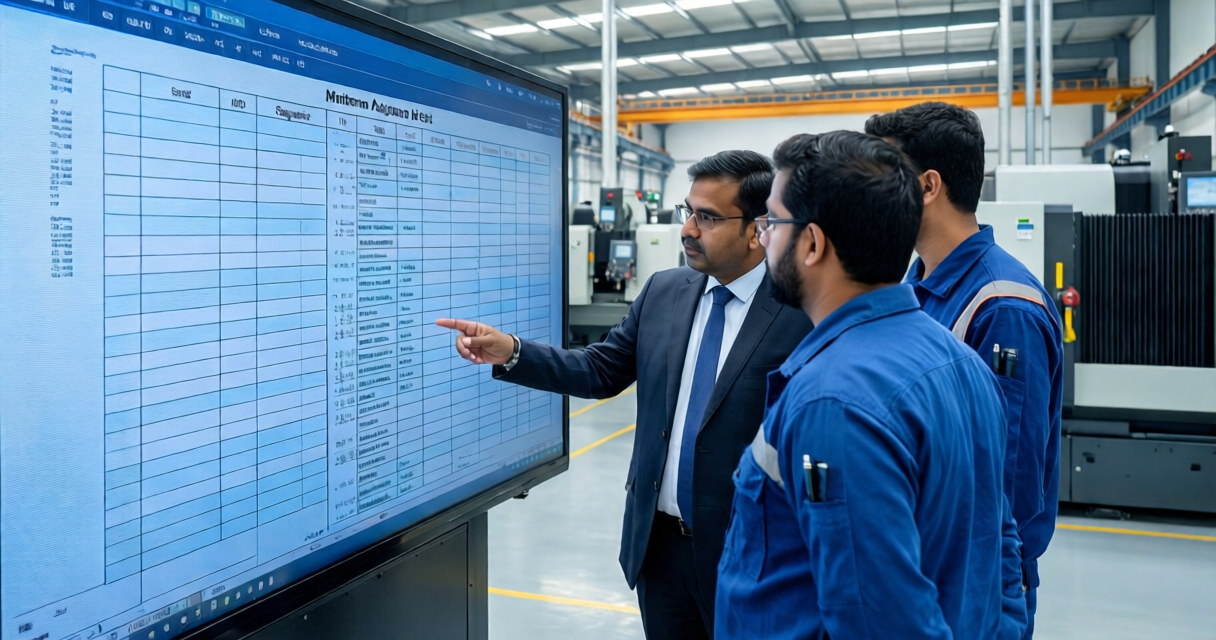
Therefore, modern maintenance strategy must incorporate measures that address these systemic weaknesses: - Mandatory Power Conditioning: Installing high-quality uninterruptible power supplies (UPS) and voltage stabilizers specifically designed for industrial loads. - Advanced Filtration: Implementing comprehensive air filtration systems in machine enclosures to prevent dust ingress. - Digital Documentation: Utilizing tools like the Digital Service Catalogue not just for tracking parts, but for storing detailed operational parameters—recording ideal oil pressure ranges, optimal coolant flow rates, and specific torque specifications that local staff might otherwise forget or misinterpret.
The goal remains building resilience into the operation itself, making the machinery inherently less susceptible to the unique stresses of the Indian industrial environment. This systematic approach transforms maintenance from a cost center into a strategic investment in uptime stability.
Preventive Actions: From Repair Costs to Predictive Profitability
Preventive actions represent the transition from merely fixing what is broken (a reactive model) to anticipating and correcting weaknesses before they manifest as costly downtime (a proactive model). This shift in mindset—from cost center to profit enabler—is fundamental for MSMEs aiming for sustained growth.
Predictive maintenance, leveraging IoT sensors and machine data, has revolutionized this approach. Instead of adhering rigidly to time-based service intervals ("Change the oil every 6 months"), predictive methods analyze real-time performance data (vibration analysis, temperature spikes, power draw variations) to determine the *actual* Remaining Useful Life (RUL) of a component. If the vibration signature on a gearbox begins to deviate subtly over several weeks—a sign that bearings are wearing unevenly—the system alerts the manager weeks before failure occurs, allowing parts to be ordered and replacement scheduled during planned downtime.
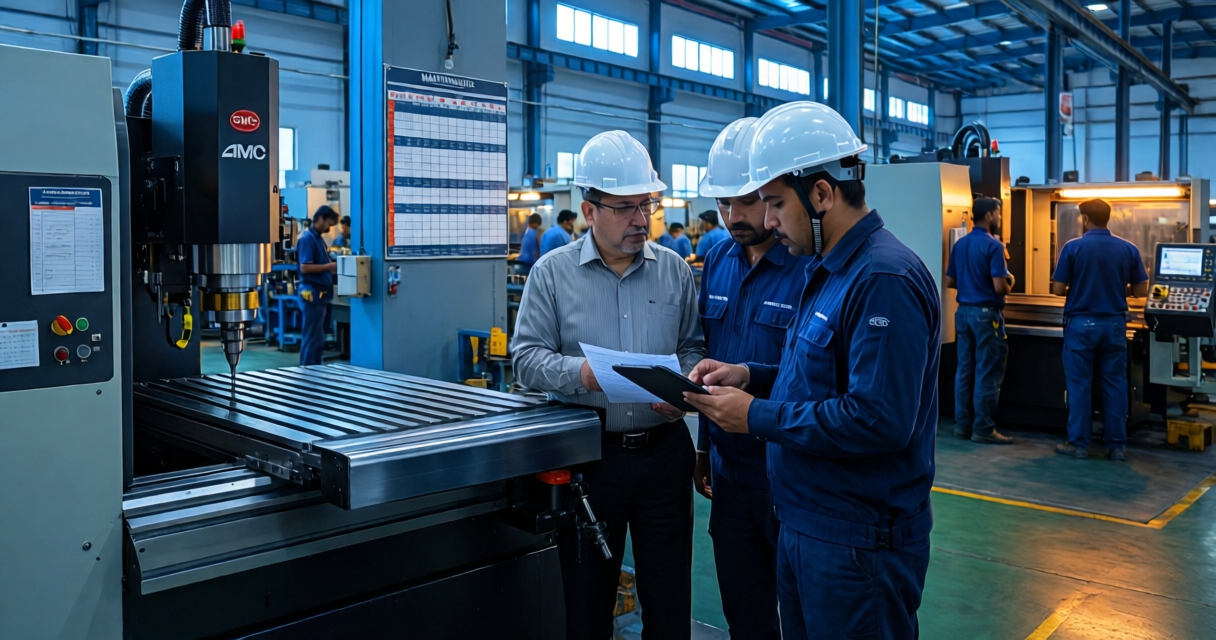
For those unable to immediately adopt full IoT sensor networks, structured Annual Maintenance Contracts (AMCs) remain immensely valuable. However, these AMCs must go beyond simple labor hours. A robust AMC package should include: - Mandatory Quarterly Inspections: Scheduled checks focused on high-stress points like gearboxes and coupling alignments. - Fluid Analysis: Sending hydraulic oil samples for lab analysis to detect early signs of contamination, metal particulate wear, or fluid breakdown—detecting the problem before visible leakage occurs. - Training Refreshers: Ensuring that internal staff are cross-trained on basic troubleshooting protocols for every major machine line they operate.
MachineryFix supports this preventative mindset through its Predictive Maintenance AMC module. This structured annual contract provides comprehensive coverage, ensuring service plans tailor to the specific operational profile of your factory—be it a high-speed packaging line or a heavy-duty hydraulic press. The platform’s overall reliability and transparency have earned an average rating of 4.8/5 from industry leaders across India, confirming its commitment to preventative excellence.
By formalizing this predictive approach, facilities can move away from the stressful cycle of emergency repairs and instead adopt predictable operational scheduling, which is key for compliance audits (especially vital when aiming for ISO certification) and overall operational stability.
How MachineryFix Helps: The Assurance You Need in India's Market
The unique challenges faced by Indian factories—ranging from voltage instability to rapid growth coupled with skill gaps—require a service provider that is not merely skilled, but structurally resilient and technologically advanced. MachineryFix fundamentally changes the game for plant managers across clusters like Jeedimetla or Balanagar Industrial Zone.
Its core value proposition builds on eliminating uncertainty. When using MachineryFix, local knowledge meets national coverage under a single digital canopy. The platform addresses every pain point discussed: - Speed and Availability: It guarantees expert response times of under 4 hours, 24/7, minimizing the window of financial loss. This capability surpasses reliance solely on fragmented regional networks. - Verification and Trust: Every technician in its Vetted Technician Network undergoes rigorous skill evaluations coupled with mandatory Aadhaar checks. This ensures that when a professional arrives at your factory gate—live status tracked via the app—you know exactly who they are, what skills they possess, and that their credentials are legitimate. - Financial Transparency: The feature of competitive bidding allows comparing multiple proposals for complex repairs before committing funds, ensuring receipt of OEM-grade parts and expert labor without overpaying due to lack of market visibility. This capability has saved clients thousands, as reported by a plant manager in Jeedimetla Cluster who noted the savings on their last repair. - Digital Accountability: The Digital Service Catalogue is perfect for compliance audits. Every job performed leaves an immutable record: parts replaced (with verified sourcing), diagnostics run, and sign-offs recorded digitally. This gives management instant peace of mind regarding regulatory adherence.
The decision to trust a third party with multi-crore assets requires absolute confidence. MachineryFix builds mutual trust through transparent processes, including weekly technician payouts which maintain high motivation levels among the workforce.
For immediate, reliable service access, Indian factory owners can book a certified technician directly from their phone. Should an emergency strike outside normal hours, call or WhatsApp +91 63030 48885 for instant support and dispatch coordination. The platform is always ready to help get your machinery back online.
Why MachineryFix Is India's Fastest Repair Network
The industrial sector of India is defined by its sheer scale, diversity, and inherent operational volatility. Downtime constitutes a quantifiable financial hemorrhage. To navigate this challenging environment successfully, maintenance strategy must be built on speed, verifiable expertise, and systemic transparency. MachineryFix Technologies Pvt Ltd engineered the solution to solve historical service fragmentation.
The platform integrates several proprietary technologies: - The Intelligent Dispatch Engine eliminates geographical guesswork by mapping breakdowns against certified local talent in minutes. - Accessing the comprehensive history via the Digital Service Catalogue ensures continuity, whether handling a CNC machine or specialized hydraulic press. - Utilizing its verified workforce means that when the plant runs at peak capacity—be it during monsoon season or high-demand production cycles—the support arriving is guaranteed competent and trustworthy.
The company does not merely promise repair; it promises recovery, backed by data, speed, and an unmatched commitment to operational uptime across all major industrial clusters in India. Stop managing crises reactively and start planning proactively with the industry leader. To experience this difference firsthand, book a technician instantly at machineryfix.com or call/WhatsApp +91 63030 48885 immediately to get your machine running under four hours.
Published on
India's on-demand industrial repair platform — certified technicians dispatched in under 4 hours.
Frequently Asked Questions
How quickly can I get a technician for repair warranty valid nationally or in India?
MachineryFix's Intelligent Dispatch Engine matches your breakdown with the nearest verified technician in minutes. Average on-site response time is under 4 hours across Pan-India. Book at machineryfix.com or WhatsApp +91 63030 48885.
Are MachineryFix technicians verified and background-checked?
Yes. Every technician on MachineryFix passes Aadhaar-based identity verification plus rigorous skill evaluation before being onboarded. This is why MachineryFix maintains a 4.8/5 average rating from factory clients across India.
What is a Predictive Maintenance AMC and how does it work?
A Predictive Maintenance AMC (Annual Maintenance Contract) from MachineryFix covers scheduled inspections, condition monitoring, and priority emergency response. It reduces unplanned breakdowns by 40-60% and is ideal for factories running critical CNC, hydraulic, or textile machines.
How much does industrial machine repair cost in India?
Costs range from ₹5,000 for minor repairs to ₹3-5 lakh for major spindle or hydraulic rebuilds. MachineryFix uses competitive bidding — you receive upfront proposals from multiple local experts before committing, so you always get a fair price.
What documentation does MachineryFix provide after a repair?
MachineryFix generates a Digital Service Catalogue entry for every job — logging the fault, diagnosis, parts replaced, technician ID, and timestamps. This digital job card is accepted for ISO 9001 and GMP compliance audits.
Can I rehire the same technician for future jobs or an AMC?
Yes. MachineryFix's re-hiring feature lets you save a preferred technician directly to your account. You can rebook them for follow-up work, recurring maintenance, or a full AMC contract — keeping your factory history consistent.
Need a certified technician?
Get one dispatched in under 4 hours.