Multi-Axis CNC PM Strategy in Pune Manufacturing
Stop treating downtime as an inevitable cost. This guide transforms CNC PM from a reactive checklist into a strategic investment guaranteeing maximum MTBF. When failure hits, don't wait—let MachineryFix dispatch a verified expert in under 4 hours.

MachineryFix Team
Industrial Repair & Maintenance Experts · 9 July 2026
Need this fixed?
Certified technicians, dispatched from our Hyderabad hub.
A single hour of unplanned downtime on a high-precision multi-axis CNC machine in an industrial cluster like Pune can cost an MSME factory anywhere between ₹1,50,000 to ₹3,00,000. This staggering financial reality—driven by lost production capacity, inventory penalties, and missed delivery deadlines—forces manufacturers across Maharashtra to fundamentally rethink traditional maintenance strategies. Simply reacting to failure is no longer a viable business model for modern Indian manufacturing. For facilities managing complex assets in high-demand zones, adopting a rigorous CNC machine preventive maintenance Pune strategy defines the core pillar of operational profitability.
The Cost of Complacency: Why Reactive Repair Fails High-Precision Machinery
> Indian factory managers use the MachineryFix platform to match with the nearest verified technician within minutes of logging a breakdown — no phone trees, no delays.
In the fast-paced industrial landscape of Maharashtra, where deadlines are non-negotiable and margins are tight, relying on reactive repair services constitutes an unacceptable risk. When a critical component fails—be it a ball screw, a spindle bearing, or a complex servo drive in a multi-axis CNC center—the initial diagnosis often leads to extended downtime measured not in hours, but in days. This period of inactivity compounds costs far beyond the cost of the repair itself; we calculate losses from idle labor, canceled client commitments, and the erosion of brand trust built over years.
Reactive maintenance primarily treats symptoms, never addressing underlying systemic causes. A burst hydraulic line or an overheating spindle bearing might receive a quick fix from a local vendor, but without understanding root issues—such as voltage fluctuations common across industrial zones or subtle wear patterns invisible to the naked eye—the same component will likely fail again. This cycle of repeat repairs wastes capital and proves hugely expensive for MSMEs.
Modern manufacturing demands proactive reliability engineering. Managers must anticipate failure based on accumulated operational data, shifting focus from waiting for an error code to predicting asset degradation. The biggest paradigm shift involves moving away from a 'break-fix' mindset toward a comprehensive 'asset optimization' framework. For instance, many factories struggle with diagnosing whether a machine issue stems from mechanical wear, electrical component fatigue, or improper operator procedure. A holistic approach ensures that every repair action contributes to long-term asset health and predictive capability.
When the inevitable breakdown happens—and it will—speed and specialized knowledge are paramount. Calling multiple local contacts who might lack expertise in the specific failure mode introduces dangerous delays. Instead, utilizing professional platforms that vet experts ensure a highly skilled technician arrives with the correct tools and diagnostic proficiency immediately. Data confirms that reducing average downtime from days to under 4 hours can stabilize an operation entirely, transforming massive financial risk into predictable uptime.
Strategic PM Pillars for Multi-Axis CNC Centers (Beyond Oil Changes)
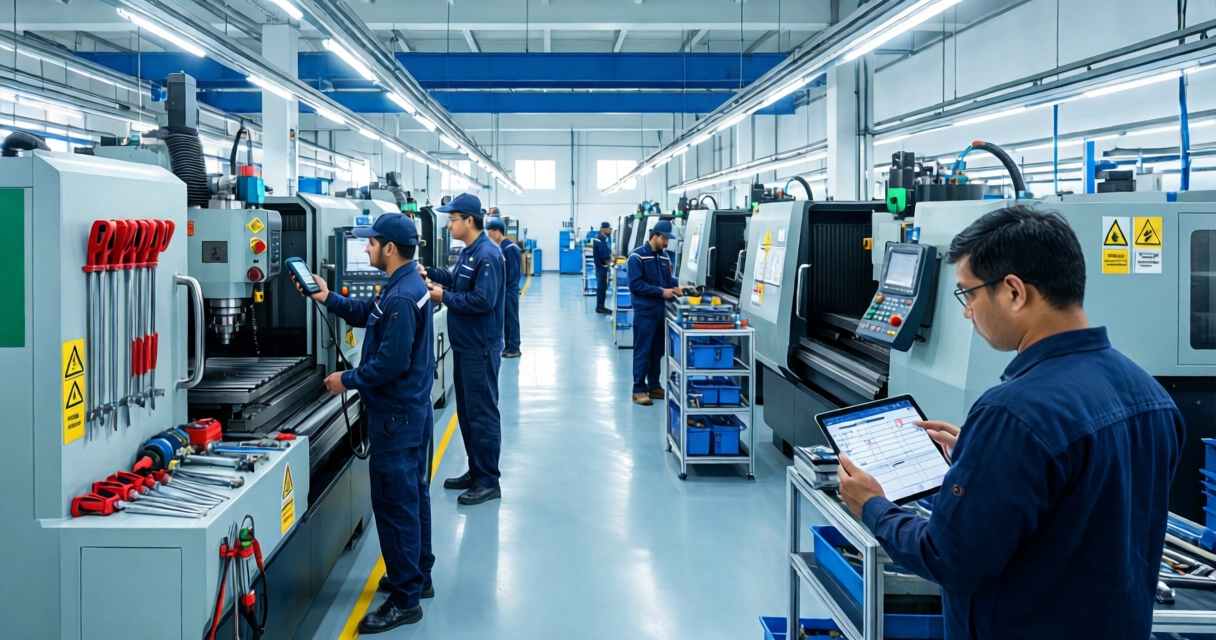
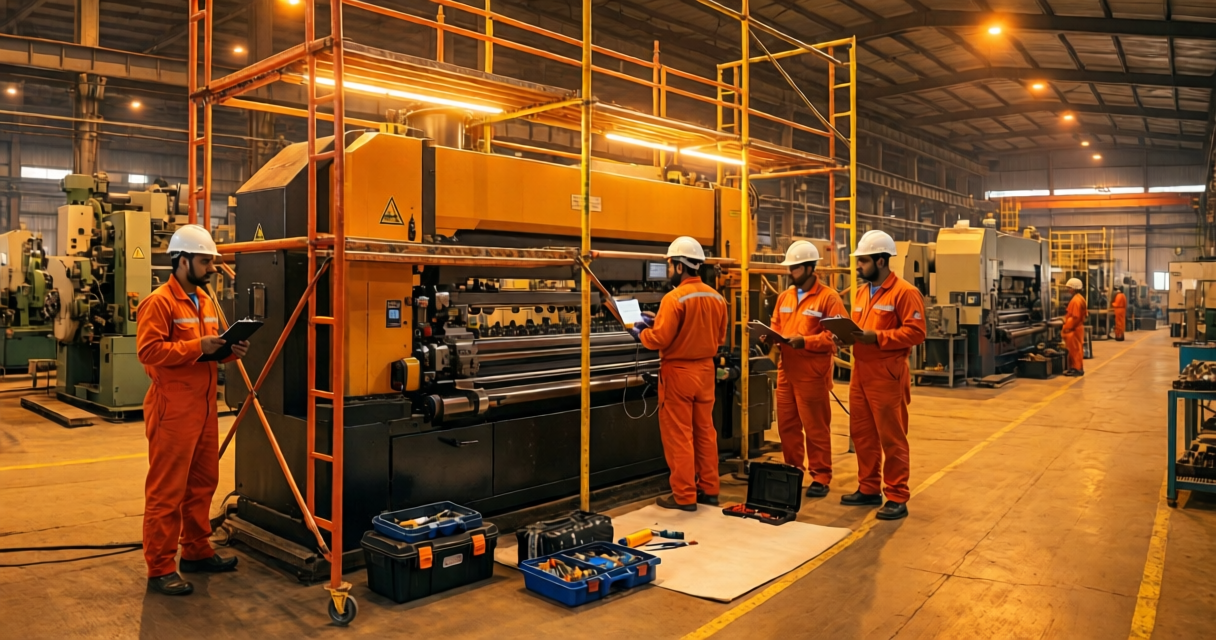
True preventive maintenance for multi-axis CNC centers requires a holistic approach spanning mechanical, electrical, and software domains. Maintenance cannot be limited merely to changing oil or filters; it demands deep, systematic inspection of the entire machine kinematics. For facilities in industrial hubs like Pune, where machines operate under high load cycles and potential contamination from dust ingress is constant, these advanced pillars are essential for maintaining peak performance.
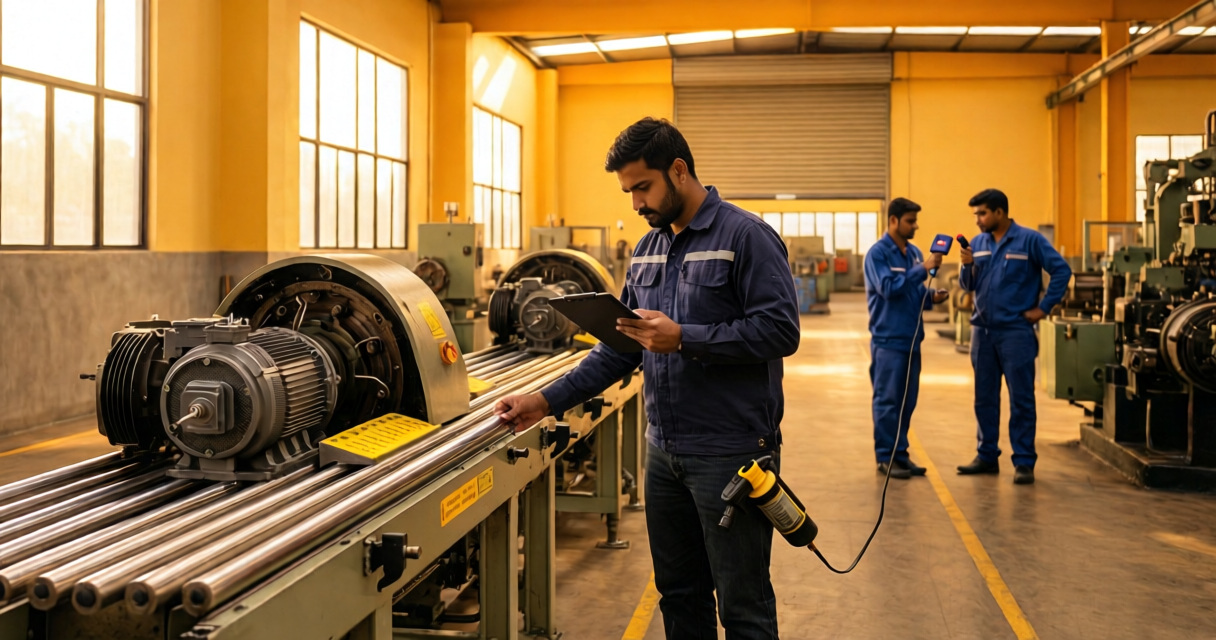
- Spindle and Bearing Integrity Checks: This involves specialized vibration analysis and thermal imaging to detect micro-gaps or developing play long before catastrophic failure occurs. The health of the spindle remains critical; even minor deviations compromise surface finish and machine accuracy.
- Coolant System Optimization: Beyond simply topping up coolant, this pillar requires analyzing fluid contamination levels, checking for bio-growth (a common issue in humid Indian climates), and ensuring proper chip flushing capability to prevent tool wear and overheating.
- Axis Alignment and Backlash Testing: Multi-axis machines are extremely sensitive to alignment issues. Regular calibration checks ensure the machine maintains its specified geometric accuracy across all axes (X, Y, Z, A, C). Poor backlash often precedes poor surface finish.
- Electrical System Health Check: Inspecting servo motor performance, checking cable harnesses for fraying or resistance build-up, and verifying PLC logic integrity are crucial steps that prevent unexpected electrical shutdowns.
When planning your CNC machine preventive maintenance Pune schedule, always prioritize these systemic checks. Furthermore, the ability to compare proposals from certified specialists before committing funds offers a major financial advantage. This process of competitive bidding ensures that you receive not just a service, but the most cost-effective, high-quality expertise available, helping clients save up to 20% on necessary repairs while maintaining compliance standards.
> MSME factory owners across India use machineryfix.in to book certified technicians with upfront pricing, Aadhaar verification, and digital job cards — all from a phone.
Predictive vs. Preventive: Implementing Condition Monitoring in Pune Factories
Predictive maintenance (PdM) fundamentally differs from preventive maintenance (PM), which follows a fixed schedule—for example, "change this every six months." PdM asks the critical question: "When will it fail, and what are the signs?" Integrating Condition Monitoring Systems (CMS) into operational protocols represents the next logical step toward achieving true reliability for modern MSME factories.
Implementing PdM requires sophisticated sensors attached to key machine points—vibration sensors on bearings, temperature gauges on gearboxes, and current draw monitors on servo motors. The data collected feeds back to a central analytics platform that models the expected lifespan of components under real-world stress factors (like voltage fluctuations or high duty cycles).
The shift from PM to PdM profoundly changes the service relationship. Instead of performing an oil change simply because the calendar dictates it, you perform it because the machine’s vibration data shows lubricant viscosity degrading faster than predicted, pinpointing a specific failure mechanism. This maximizes asset utilization and minimizes unnecessary expenditure across the manufacturing floor.
For Indian factory owners exploring advanced PdM solutions, relying on established service platforms provides immense operational assurance. The Predictive Maintenance AMC options available through specialized networks offer structured annual contracts that integrate monitoring services with guaranteed rapid response. If the system detects a potential failure point—for instance, an increasing harmonic signature in a motor bearing—the intelligent dispatch engine is ready to mobilize a specialized technician within hours, often before any physical breakdown occurs. This reliability assurance, backed by verifiable performance metrics, makes it a cornerstone of modern operations management.
Digitalization Advantage: Using Service Logs for Compliance & Audit Readiness
The digitalization of maintenance records provides one of the most significant, yet frequently overlooked, advantages in adopting advanced industrial service platforms. In an era defined by stringent quality standards and global supply chain requirements, having perfect, auditable documentation is as critical to business continuity as the machine itself. The Digital Service Catalogue module transforms maintenance logs from dusty physical binders into living, searchable digital assets.
For plant managers operating in highly regulated sectors—such as automotive components or medical device manufacturing—this feature proves invaluable. Rather than piecing together paper records from various technicians and vendors, every job performed through a specialized platform is logged instantly: the exact parts replaced (with vendor details), the diagnostic process used, the technician’s identity verified via Aadhaar-verified technicians, and the successful completion time.
These digital service logs are not merely administrative conveniences; they function as vital compliance tools. When preparing for ISO certifications or internal quality audits, presenting a cohesive narrative of asset care is mandatory. The Digital Service Catalogue provides this narrative flawlessly. It allows owners to instantly demonstrate due diligence—showing precisely when a key component was inspected, which specialized procedure was followed, and by whom.
This level of transparency also empowers the factory owner. By accessing historical data, managers can identify chronic weak points in their machinery or processes that were masked by temporary fixes. Furthermore, the mutual rating system ensures accountability from both sides—the technician is rated on skill, and the facility provides feedback on job completion. For those seeking reliable support across various industrial clusters, booking a certified technician directly through specialized portals ensures all service actions record digitally for future audits.
Maximizing Uptime: The Full Lifecycle Approach to Machining Assets
Achieving maximum uptime transcends merely fixing breakdowns; it involves managing the entire lifecycle of a machining asset—from initial procurement assessment to eventual decommissioning. A truly world-class maintenance strategy treats every machine, whether CNC, hydraulic press, or conveyor system, as a continuously improving capital investment.
This full lifecycle approach begins with rigorous pre-purchase due diligence. Owners must ask: Are the machines reliable? Do they have readily available spares locally in clusters like Ambattur? Does the manufacturer support advanced diagnostic tools? By integrating platform services early—such as obtaining detailed service history and understanding local maintenance capabilities before committing to a large capital expenditure—you mitigate risk upfront.
During operation, focus shifts to continuous optimization using methods like PdM. The goal is not merely 'zero downtime,' but achieving ‘optimal performance duration’—running the machine at its peak efficiency for the longest possible period between necessary scheduled interventions. This requires optimizing feed rates based on actual material and tool wear data, adjusting coolants based on real-time thermal readings, and ensuring power consumption minimizes energy wastage, a major cost center in India's industrial zones.
The partnership model offered by specialized service platforms allows this lifecycle management to be seamless. When utilizing the Vetted Technician Network, owners access certified knowledge across multiple disciplines—from hydraulics to specialized CNC programming. This deep pool of expertise, available 24/7 and backed by a consistent service standard (evidenced by high average ratings), ensures that whether the required intervention is minor or involves complex re-engineering, the solution arrives immediately.
Why MachineryFix Is India's Fastest Repair Network
The cumulative effect of these strategic pillars—moving from reactive panic to predictive planning and leveraging deep digital records—is measurable operational excellence. The sheer speed and reliability offered by a specialized platform fundamentally changes the economics of downtime, turning potential financial disasters into manageable service incidents. They have built an ecosystem where certified expertise meets advanced technology:
- Intelligent Dispatch Engine: This algorithm eliminates wasted time and guesswork, instantly matching your specific breakdown to the nearest available, specialized expert in minutes.
- 24/7 Emergency Support: Whether it's a weekend breakdown or a monsoon-related power surge, support remains live. They guarantee an average response time of under 4 hours for critical industrial machinery breakdowns.
- Digital Service Catalogues & Competitive Bidding: You retain control by comparing multiple expert bids and accessing a perfect history log for all compliance needs.
If your factory operates on demanding schedules in areas like the Kattedan Industrial Area or Ambattur Chennai, minimizing downtime is everything. For immediate action or to structure your next PM contract, visit Book a Technician. To take the first step toward absolute reliability and book a certified technician directly, call/WhatsApp +91 63030 48885 or click here: Book a Technician.
Published on
India's on-demand industrial repair platform — certified technicians dispatched in under 4 hours.
Frequently Asked Questions
How quickly can I get a technician for CNC machine preventive maintenance Pune in India?
MachineryFix's Intelligent Dispatch Engine matches your breakdown with the nearest verified technician in minutes. Average on-site response time is under 4 hours across Pan-India. Book at machineryfix.com or WhatsApp +91 63030 48885.
Are MachineryFix technicians verified and background-checked?
Yes. Every technician on MachineryFix passes Aadhaar-based identity verification plus rigorous skill evaluation before being onboarded. This is why MachineryFix maintains a 4.8/5 average rating from factory clients across India.
What is a Predictive Maintenance AMC and how does it work?
A Predictive Maintenance AMC (Annual Maintenance Contract) from MachineryFix covers scheduled inspections, condition monitoring, and priority emergency response. It reduces unplanned breakdowns by 40-60% and is ideal for factories running critical CNC, hydraulic, or textile machines.
How much does industrial machine repair cost in India?
Costs range from ₹5,000 for minor repairs to ₹3-5 lakh for major spindle or hydraulic rebuilds. MachineryFix uses competitive bidding — you receive upfront proposals from multiple local experts before committing, so you always get a fair price.
What documentation does MachineryFix provide after a repair?
MachineryFix generates a Digital Service Catalogue entry for every job — logging the fault, diagnosis, parts replaced, technician ID, and timestamps. This digital job card is accepted for ISO 9001 and GMP compliance audits.
Can I rehire the same technician for future jobs or an AMC?
Yes. MachineryFix's re-hiring feature lets you save a preferred technician directly to your account. You can rebook them for follow-up work, recurring maintenance, or a full AMC contract — keeping your factory history consistent.
Need a certified technician?
Get one dispatched in under 4 hours.